Gas Line Services in Westchester County, NY
Gas work is the one part of plumbing with no margin for “probably fine.” It’s licensed, permitted, and inspected for good reason — and that’s how we do it.
- Licensed & Insured
- Westchester County Licensed Plumber
- Upfront Pricing
- Clear Explanations Before Work Begins
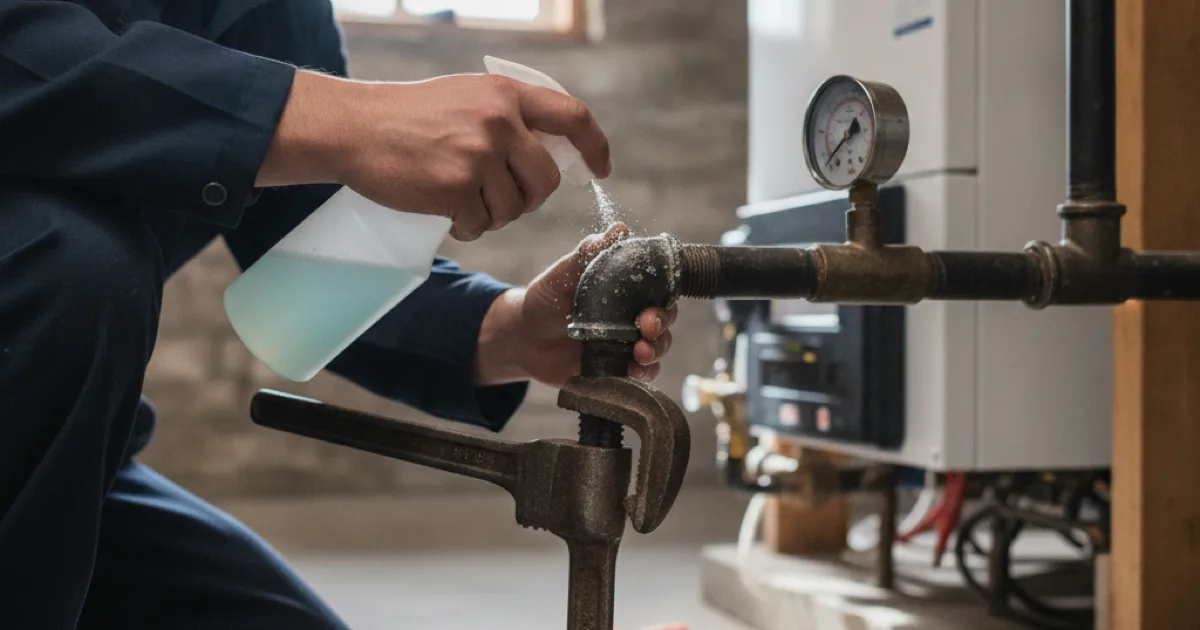
If you smell gas, do this first
Before anything else on this page, the order matters and it isn’t the order most people expect.
- Leave the building. Take everyone with you. Don’t stop to find the source.
- Don’t touch switches or anything electrical. That includes light switches, garage doors, and phones inside the house. A spark is the actual risk.
- Don’t light anything, obviously, and don’t start a car in an attached garage.
- From outside, call your gas utility’s emergency line. They come out for this and they don’t charge to make a property safe.
- Then call us, once the immediate danger is handled, for the repair itself.
We put the utility ahead of ourselves in that list deliberately. They can shut supply at the meter and confirm a property is safe faster than any plumber can drive to you. We’re the right call for fixing the line — not for making a gas emergency safe in the first place.
Why gas work is regulated separately
Most plumbing failures announce themselves with water. A gas fault gives you far less warning and a far worse outcome, which is why it’s the part of the trade with the tightest rules around it.
In practical terms, that means gas work generally needs a permit and an inspection, and it needs to be done by someone licensed to do it. We’re a licensed plumber in Westchester County, which is what allows gas work to be permitted and signed off properly.
That matters more than it sounds. Unpermitted gas work has a habit of surfacing at the worst possible moment — during a home sale, during an insurance claim, or when an appliance needs servicing and the technician won’t touch a connection they can’t verify. A cheaper quote that skips the permit isn’t really cheaper; it’s deferred.
It’s also the reason we won’t talk anyone through gas work over the phone. Almost everything else in plumbing has a sensible DIY version we’re happy to explain. This doesn’t.
If you want to understand the standards this work is held to, the NFPA publishes the national fuel gas code that governs residential gas piping. It’s dry reading, but it makes clear why this isn’t a weekend project.
The gas work we handle
Gas fitting sits alongside the rest of our plumbing work, on both residential and light commercial properties.
The most common call is repairing a leaking or damaged gas line — a corroded section, a failed joint, or damage from work done elsewhere in the house. Alongside that we handle connections and shut-off valves for gas appliances, and the line work that comes with a new or relocated appliance.
A lot of our gas work arrives attached to something else. Putting in a new boiler frequently means new or modified gas piping, and moving from a conventional water heater to a tankless one often needs the line upsized because the new unit fires at a much higher input. In both cases the gas side is part of the job rather than a separate call — and it’s worth knowing about before you compare quotes, because it’s the part that quietly differs between them.
If you’re weighing up a larger project, it’s worth seeing our other plumbing work in one place, since gas, heating, and water work often overlap in the same basement.
What affects the cost
Gas work is priced on the specific job and always includes the permitting and inspection that most municipalities here require. We give you the number before starting, and re-quote if opening up changes the picture.
The variable that catches people out is that gas work often arrives attached to something else — a new boiler needing modified piping, or a tankless conversion needing the line upsized. That is the part that quietly differs between quotes, so it is worth understanding before you compare them.
Recognising a gas problem
The rotten-egg odour added to natural gas is there to be believed — if you smell it, leave, avoid switches and flames, and call your gas utility from outside before you call us. Less obvious signs are worth knowing too: a bill that climbs with no change in use, yellow burner flames where they should be blue, or pilot lights that keep going out.
A carbon monoxide alarm belongs in every home with a gas appliance, because incomplete combustion produces CO, which has no smell at all. It is the cheapest safety device in the house.
Common questions
Do I need a permit for gas line work?
In most Westchester municipalities, yes, and the work is inspected. Requirements vary between towns and villages, so we confirm what applies at your address and handle it as part of the job.
What does gas actually smell like?
Natural gas has no smell on its own — the rotten-egg odour is an additive put in specifically so leaks are noticeable. If you smell it, treat it as real. It’s there to be believed.
Can I run a gas line to a new grill or fire pit myself?
Please don’t. Outdoor gas lines are still permitted, inspected work, and the failure mode is the same as indoors. It also tends to be the sort of thing a home inspection catches later.
My gas bill jumped but nothing changed. Could that be a leak?
It can be, though a failing appliance is more common. Either way it’s worth investigating rather than waiting — a leak small enough to show on a bill before you smell it is still a leak.
Do you work on gas appliances themselves?
We handle the gas piping, connections, and shut-offs, plus water heaters and boilers. Repairs internal to an appliance — a range, a dryer, a fireplace insert — are usually an appliance technician’s job, and we’ll say so.
Gas work, done properly
Licensed, permitted, inspected. No shortcuts on the one part of plumbing that doesn’t forgive them.