Hot Water System Repair in Armonk, NY
No hot water, or does it run out fast? We find the actual cause before recommending any repair, so you're not paying to replace a part that was never the problem.
- Licensed & Insured
- Same-Day Service Available
- Upfront Pricing
- 15+ Years of Experience
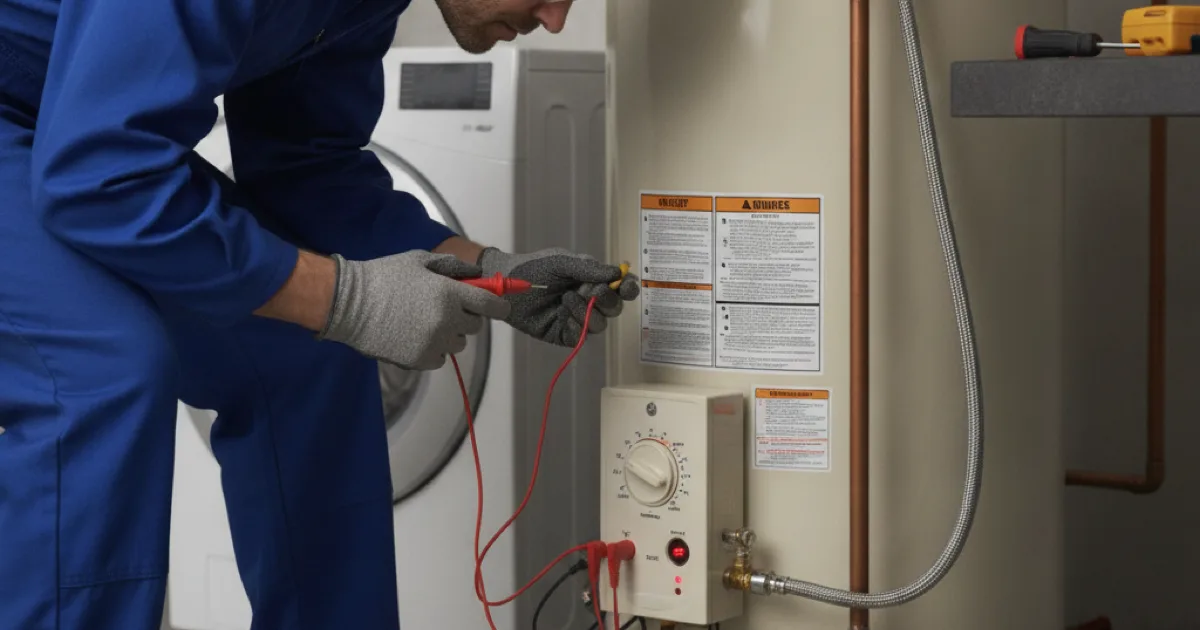
Signs you need hot water system repair
Most hot water problems don't start as a total outage. They start small, and they're easy to explain away for a few weeks before they become impossible to ignore.
- Water that starts hot and turns lukewarm partway through a shower
- Hot water that's available in one bathroom but weak in another
- A tank that makes rumbling, popping, or knocking sounds
- Water with a metallic smell or a slight rust tint
- A pilot light or heating element that won't stay on
- Water pooling around the base of the tank
In larger Armonk homes with three or four bathrooms, we hear a specific version of this complaint a lot: hot water is fine for the first shower of the morning, then the next person in line gets barely warm water. That's often not a broken unit at all — it's a system that was sized for a smaller household and is now running two or three bathrooms at once.
What causes hot water problems
A few different issues tend to show up again and again once we're actually inside the mechanical closet:
- Sediment buildup. Minerals settle at the bottom of the tank over time, reducing how much water the unit can actually heat and hold.
- A failing heating element or thermocouple. These wear out and stop heating water consistently, even though the unit still "runs."
- Undersized capacity for the household. A 40-gallon tank installed for a smaller family doesn't keep up once a home has multiple bathrooms and appliances drawing hot water at the same time.
- A failing thermostat. This causes water temperature to swing instead of holding steady.
- Corroded or loose plumbing connections near the unit, which can cause pressure and temperature to behave unpredictably.
The U.S. Department of Energy's guidance on water heating is a good reference for how tank size and household demand interact — it's a common gap in older installations that were never updated as a home's hot water needs grew.
If the issue turns out to be capacity rather than a failing part, we'll walk you through installing a brand-new water heater sized correctly for your home, rather than repairing a unit that will keep coming up short.
What to check before you call
A couple of quick checks can save you a service call, or at least help us diagnose faster once we're there:
- Confirm the pilot light is lit (gas units) or the breaker hasn't tripped (electric units).
- Check the thermostat setting on the tank — it may have been bumped or reset.
- Note whether the problem happens with one fixture or the whole house, and whether it's constant or only during high-use times like mornings.
- Listen for unusual sounds from the tank and mention them when you call.
If you smell gas near the unit, don't attempt anything yourself — leave the area and call us right away.
How we diagnose and repair it
We start by testing the actual cause instead of guessing. That means checking the thermostat, heating element or burner assembly, tank sediment level, and the household's real hot water demand before recommending anything.
If it's a worn part, we repair it and explain what wore out and why. If the real issue is that your household has outgrown the unit's capacity, we'll say so directly and lay out your options, including a properly sized replacement or switching to a tankless system that heats water on demand instead of storing a fixed amount. Either way, you get a clear price before we start any work.
For everything else we handle beyond hot water systems, see our full range of home plumbing services.
When to call a pro
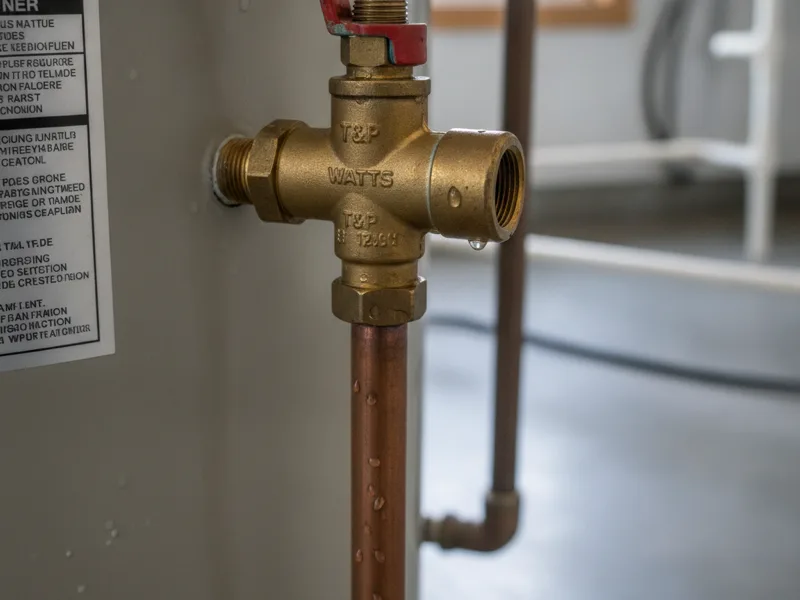
Call us as soon as you notice a real pattern — not just one off morning, but hot water that's consistently weaker, slower to arrive, or gone entirely. The longer a failing heating element or a corroded connection runs, the more likely it is to cause water damage or a full breakdown. If you smell gas, see standing water at the base of the tank, or notice the pressure relief valve leaking, treat it as urgent and call right away rather than waiting.
If your home uses radiator heat instead of a standalone water heater, the issue may point to replacing an aging boiler entirely rather than a simple repair — we'll tell you honestly which situation you're in.
Explore our complete water heater and plumbing services to see everything we handle for Armonk homes beyond hot water repair.
Frequently asked questions
Why does my hot water run out faster than it used to?
This usually points to sediment buildup reducing the tank's effective capacity, or a heating element that's no longer working at full strength. Both reduce how much hot water the unit can actually deliver.
Can you fix inconsistent hot water between bathrooms?
Yes. We'll check whether it's a plumbing layout issue, a failing part, or simply more demand than the current unit was built to handle, then explain which one it is before recommending a fix.
Is it cheaper to repair or replace my water heater?
It depends on the unit's age and what's actually wrong. We'll give you honest numbers for both so you can decide, rather than pushing a replacement you don't need.
Do you offer same-day hot water repair in Armonk?
In most cases, yes. Call us and we'll do our best to get someone out the same day, especially if you have no hot water at all.
Why does my water heater make popping or rumbling noises?
That sound usually comes from sediment trapped at the bottom of the tank overheating and creating steam pockets. It's worth having checked before it shortens the unit's lifespan further.
Is a leaking water heater an emergency?
Yes. Standing water at the base of the tank means it's time to call us right away, before it causes damage to the surrounding area or fails completely.