Pipe Repair in Armonk, NY
A small leak or corroded joint won't fix itself. We repair damaged pipe correctly the first time, with a clear explanation of what caused it.
- Licensed & Insured
- Same-Day Service Available
- Upfront Pricing
- 15+ Years of Experience
Signs your pipes need repair
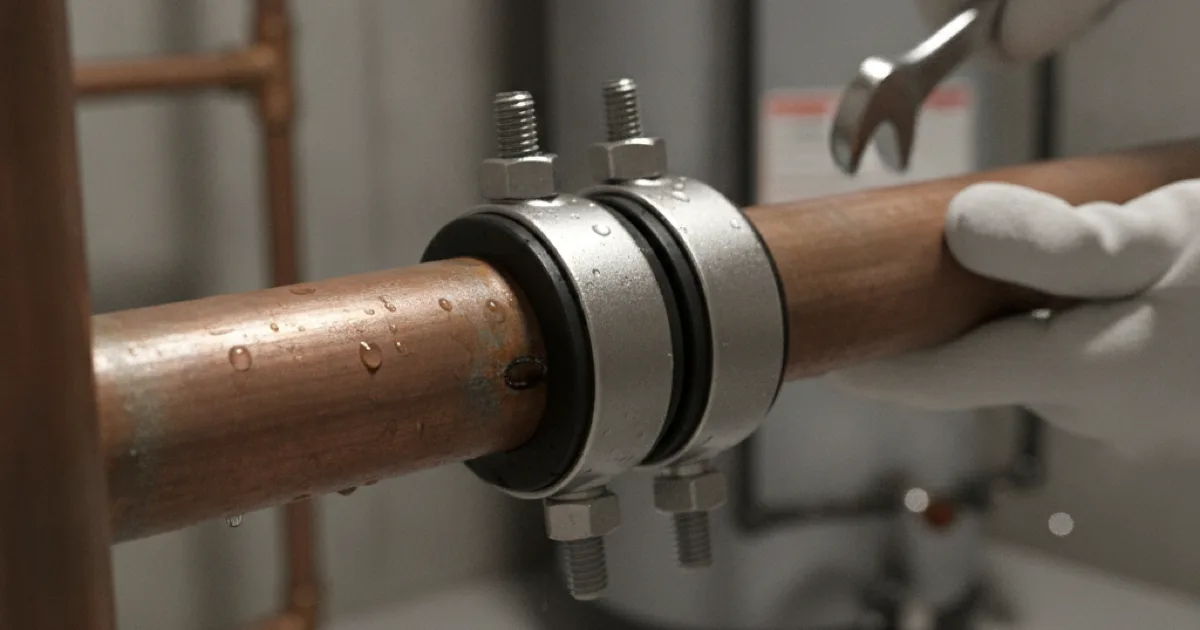
Pipe damage doesn't always show up as an obvious flood. More often it starts small: a damp patch on a wall or ceiling, a faint hissing sound inside a wall, a musty smell in one room, or a noticeable drop in water pressure at a single fixture.
Discolored water, a higher-than-normal water bill, or visible corrosion and greenish staining on exposed copper pipe are also signs worth taking seriously before they turn into a bigger problem.
What causes pipe damage
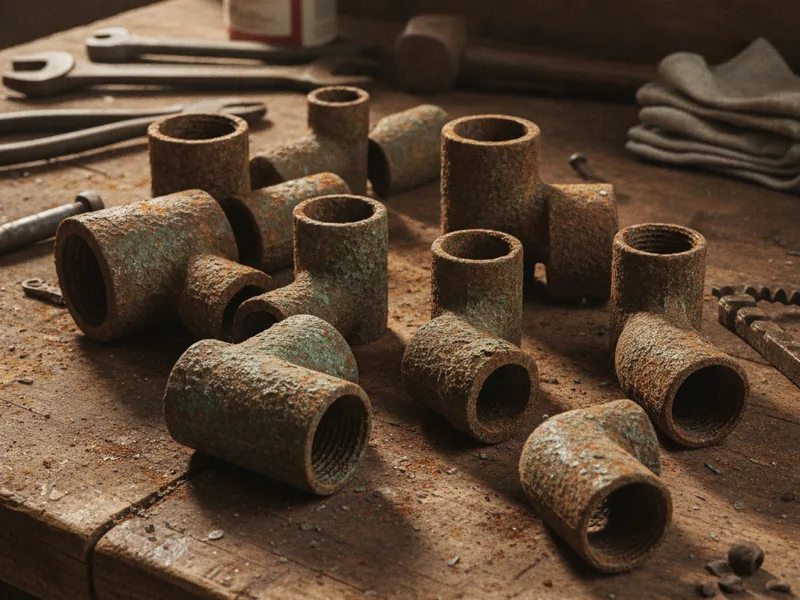
Pipes fail for a handful of common reasons: age-related corrosion, high water pressure that stresses joints over time, freezing temperatures that crack pipe walls, and physical damage from settling or nearby construction work.
We see a specific pattern often in Armonk homes built between the 1960s and 80s: pinhole leaks in aging copper pipe. Copper is a durable material, but decades of mineral-rich water moving through it can wear thin spots into the pipe wall from the inside, and those spots eventually give way as tiny pinhole leaks rather than a dramatic burst.
What to do before calling a plumber
If you notice active water or a damp spot that's actively growing, shut off the water at the main valve to limit further damage, then call us. If it's a slow, contained leak with no active water damage, it's fine to wait for a scheduled appointment.
Try not to open up drywall or flooring yourself in an attempt to find the source. Without the right tools, it's easy to expand the damage without actually locating the leak.
Our pipe repair process
We start with pinpointing a hidden leak first using listening equipment and pressure testing when the source isn't obvious. Once we know exactly where the damage is, we explain what caused it and what your repair options are before we start any work.
Depending on the pipe's material and condition, repair might mean replacing a short section, resealing a joint, or patching a pinhole leak. If the surrounding pipe shows signs of similar wear throughout, we'll tell you honestly if replacing pipes that are beyond repair is a better long-term investment than repeated spot repairs.
When to call a professional
Call us as soon as you notice active water, a sustained pressure drop, or a water bill that's climbed with no clear explanation. Waiting on pipe damage almost always makes the eventual repair more expensive, since water finds its way into framing, insulation, and flooring the longer it runs.
Trade organizations like PHCC (Plumbing-Heating-Cooling Contractors Association) set standards for proper pipe repair work, and licensed plumbers are trained to identify not just the visible damage but the underlying cause behind it. Explore our full lineup of plumbing repairs if you're dealing with more than one plumbing issue at once.
Frequently asked questions
What are pinhole leaks and why do they happen?
Pinhole leaks are tiny openings that form in copper pipe as it thins from the inside over decades of use. They're especially common in homes built between the 1960s and 80s with original copper plumbing.
Can you repair a pipe without cutting into my walls?
Often, yes, once we've located the exact spot. In some cases limited access is needed to reach the damaged section, and we'll always explain what's required before starting.
Should I repair one section or replace the whole pipe run?
It depends on the overall condition of the pipe. If damage is isolated, a repair makes sense. If we see multiple weak spots along the same line, replacement is often the smarter long-term choice.
Is a slow pipe leak an emergency?
Not always, but it shouldn't be ignored. A contained, slow leak can usually wait for a scheduled appointment, while active water damage needs attention right away.
What causes pipes to corrode over time?
Water chemistry, pipe material, and age all play a role. Older copper and galvanized pipe are more prone to internal corrosion than modern materials.
Do you offer same-day pipe repair?
Yes, whenever possible, especially for leaks causing active water damage.