Pipe Replacement in Armonk, NY
When repairs keep piling up, replacing the pipe outright is often the more sensible fix. We install durable materials built to handle Armonk's climate.
- Licensed & Insured
- Upfront Pricing
- 15+ Years of Experience
- Locally Owned & Operated
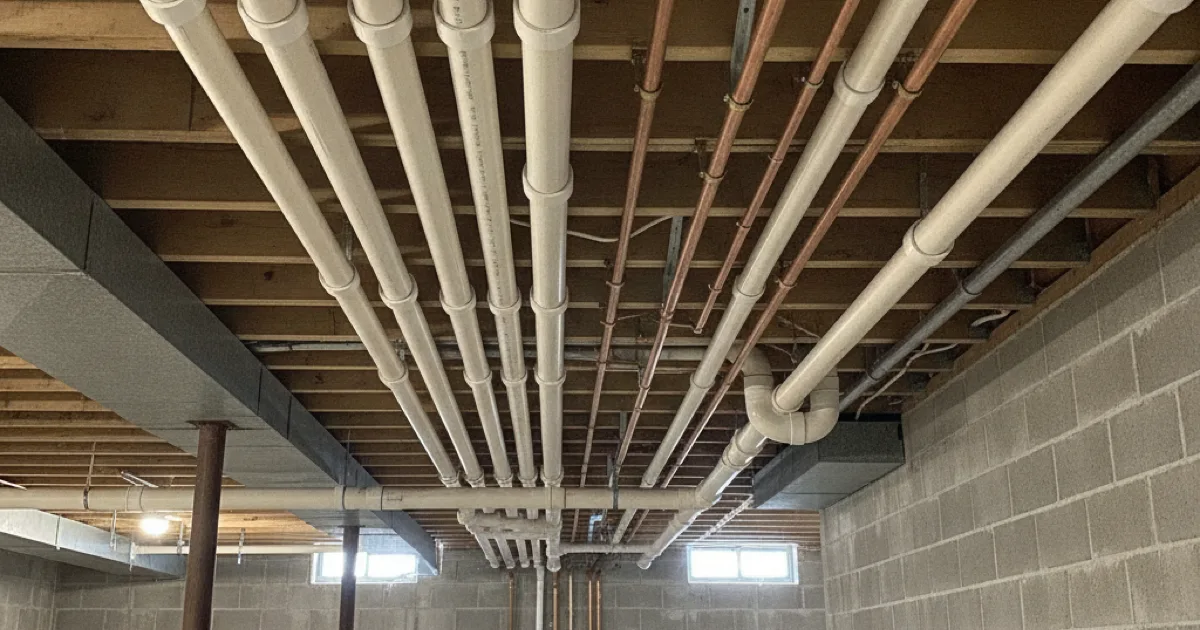
Our pipe replacement process
We start by mapping out which pipe runs actually need to be replaced, rather than assuming the whole system is at fault. In many cases, replacement is limited to a specific section or a single material type that's causing repeated problems, not every pipe in the house.
From there, we plan the least disruptive path to the new pipe — often routing through existing walls, crawl spaces, or basement ceilings to minimize how much drywall or flooring needs to come up. We install the new material, pressure-test the full run, and restore access panels or finishes as needed.
Throughout the project, we keep you updated on progress and let you know before anything unexpected changes the scope or price.
What affects the cost
Cost depends heavily on how much pipe needs replacing, how accessible it is, and what material you're switching to. A single accessible section costs far less than a whole-home repipe that requires opening multiple walls or ceilings.
Material choice matters too. Modern PEX tubing is often faster and less expensive to install than rigid copper, though copper remains a durable, long-lasting option many homeowners still prefer for visible or exposed runs.
Local factors for older Armonk homes
Some homes throughout Westchester County still have sections of polybutylene or galvanized pipe from earlier decades of construction. Both materials were common at the time but are now known to fail more often than modern alternatives — polybutylene tends to become brittle and crack from the inside, while galvanized pipe corrodes and narrows over time, gradually restricting water flow.
If your home still has either material anywhere in its plumbing, it's worth having us take a look, even if you haven't had a failure yet. Catching it before a leak happens is a lot less disruptive than an emergency repair after the fact. The Building Science Corporation publishes useful technical background on how different plumbing materials perform and age in real homes.
Repair or replace?
If you're dealing with an isolated pinhole leak or a single failed joint, a smaller pipe repair instead is usually the more sensible route. Replacement makes more sense when the same pipe run has failed more than once, when the material itself is known to be failure-prone, or when corrosion has visibly narrowed the pipe's interior.
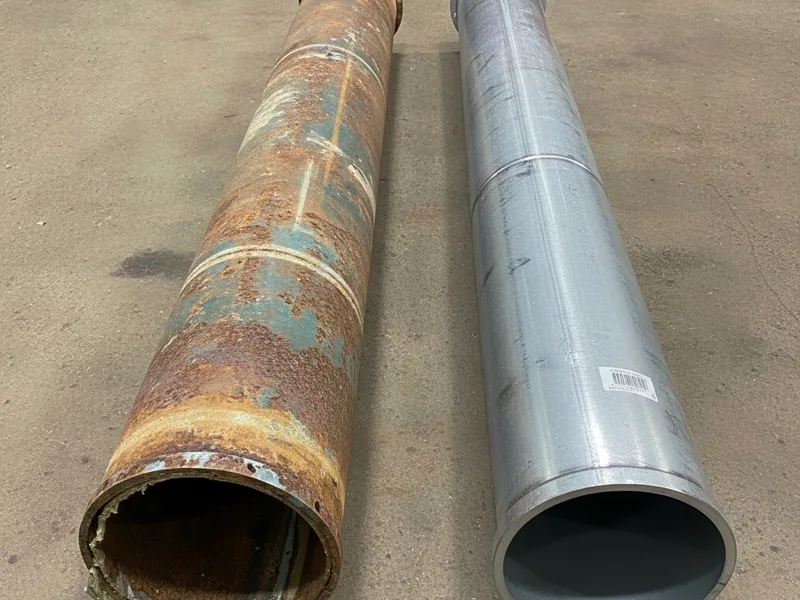
For homes with widespread aging pipe throughout, a full home repiping project can be more cost-effective than a series of individual repairs stretched out over several years. If the problem is specifically at the point where water enters your home, replacing the main water line into your home is a separate, more targeted project worth discussing on its own.
When to call a professional
Call us if you've had more than one pipe failure in the same area, if you know or suspect your home has polybutylene or galvanized pipe, or if your water pressure has dropped gradually over the years without an obvious cause. Any of these usually point to a bigger issue than a single repair can solve.
See more of our plumbing repair and replacement work for the rest of what we handle around your home.
Frequently asked questions
How do I know if I need a repair or a full replacement?
A single, isolated issue usually just needs a repair. If the same pipe run keeps failing, or the material itself is known to fail over time, replacement is often the better long-term value.
Do I need to replace all the pipes in my house at once?
Not necessarily. We typically replace the specific runs or materials causing problems rather than assuming the whole system needs work.
What is polybutylene pipe, and why does it matter?
It's a plastic pipe material used in some homes decades ago that's known to become brittle and crack over time. If your home has it, replacing it proactively can prevent a future leak.
How much wall or floor demolition does pipe replacement require?
It varies by project. We plan routes that minimize disruption where possible and always explain what access will be needed before we start.
What pipe material do you recommend?
It depends on the application. PEX is often faster to install and cost-effective, while copper remains a durable choice for many situations. We'll recommend what fits your home and budget.
How long does a pipe replacement project take?
A single section can often be done in a day. Larger projects covering multiple pipe runs may take longer, and we'll give you a clear timeline upfront.