Shower Installation in Armonk, NY
Installing a new shower or converting an old tub is only as good as the plumbing behind it. We handle that part so the finished result works as good as it looks.
- Licensed & Insured
- Upfront Pricing
- 15+ Years of Experience
- Clean, Respectful Technicians
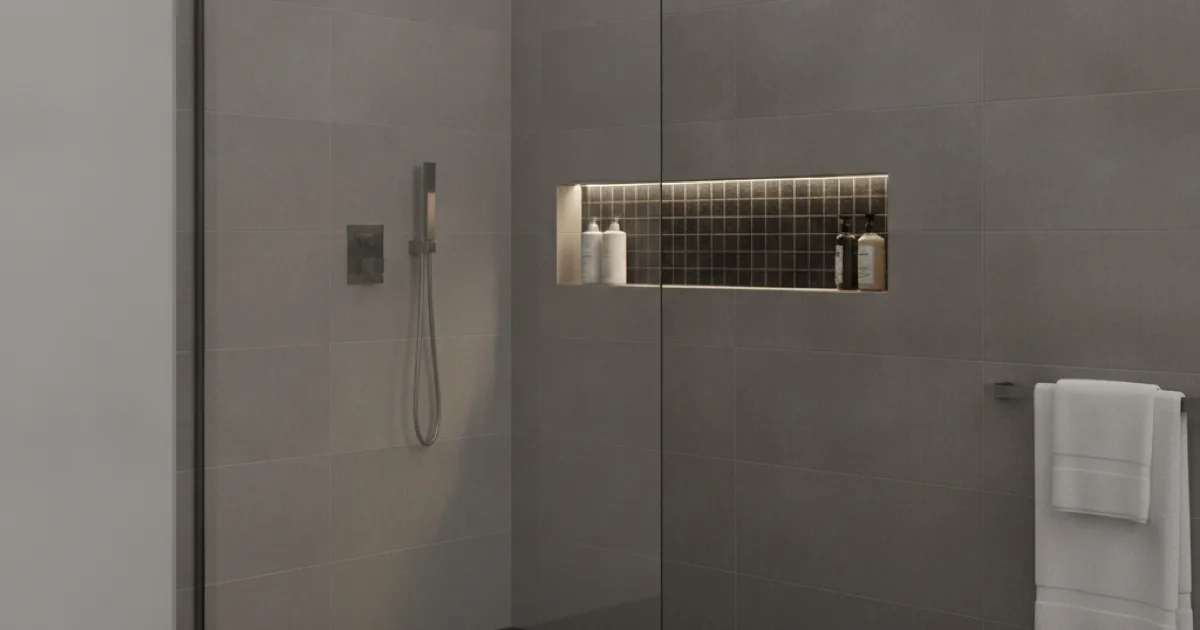
Our shower installation process
We start by assessing what's already behind the wall — existing supply lines, drain location, and valve placement — and how much of it can stay versus what needs to move for your new layout. Converting a tub to a shower usually means relocating the drain and adjusting the valve height, since showers and tubs aren't plumbed quite the same way.
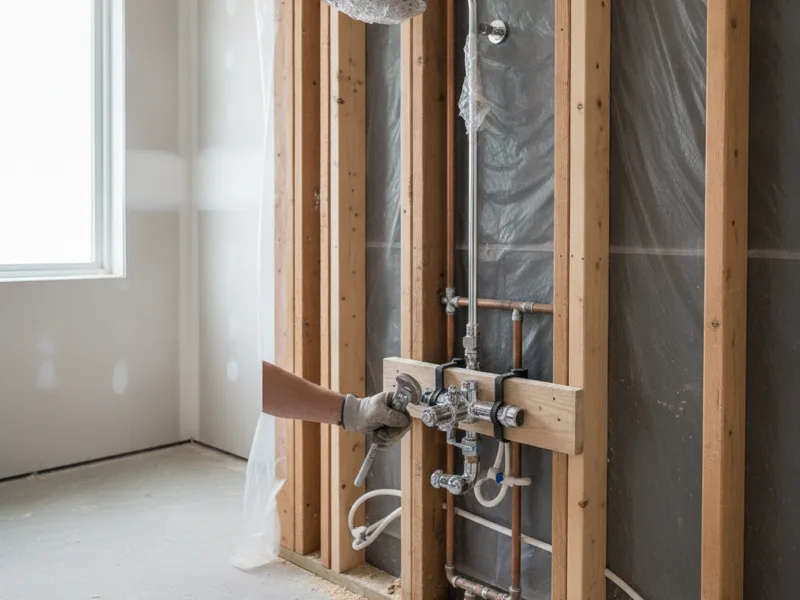
From there we rough in the new supply and drain lines, set the shower valve and drain at the correct height and slope, and pressure-test everything before the surround or tile work goes on top. We coordinate closely with whoever's handling the finish work, since the plumbing has to be exactly right before the walls close up around it.
What affects the cost
Plumbing cost depends mainly on how much the drain and valve need to move from their current location, and whether the existing supply lines are in good enough condition to reuse. A shower installed in roughly the same footprint as an old one is usually simpler than a full tub-to-shower conversion that shifts the drain to a new spot.
Adding features like a rain shower head, a second valve for a handheld sprayer, or a steam unit also adds plumbing work beyond a standard single-valve setup.
Local factors for Armonk homes
One of the most common projects we see is converting an underused bathtub into a walk-in shower. It's a popular choice among homeowners planning to age in place, since a curbless or low-threshold shower is significantly easier and safer to use long-term than climbing in and out of a tub. Even homeowners who aren't there yet often make the switch because a full-size tub in a rarely-used guest bath just isn't practical space.
The National Association of Home Builders covers aging-in-place home modifications, including bathroom changes like this one, if you want to look at the bigger picture before deciding.
Keeping your new shower in good shape
Once your shower is installed, keep an eye on the caulk line where the shower meets the floor or wall, since a failed seal there is one of the more common ways water eventually finds its way behind the tile. Address any cracked or peeling caulk promptly rather than letting water sit against it.
It's also worth periodically checking that the drain runs freely, since hair and soap buildup can slow drainage over time in any shower, new or old.
When to call a professional
Call us before any tile or surround work begins if you're planning a new shower or a tub conversion, since the rough plumbing needs to be finished and tested first. If you're not sure a full shower makes sense for your space, installing a new bathtub instead is worth considering as an alternative.
If your existing shower has a valve that's sticking or delivering inconsistent temperatures, replacing a faulty shower valve might solve the problem without a full installation. And if this project is part of a bigger renovation, larger bathroom remodeling plumbing work may be the better fit for what you're planning.
See our bathroom plumbing services overall for everything else we handle in the bathroom.
Frequently asked questions
How long does converting a tub to a shower take?
The plumbing portion typically takes one to two days, depending on how far the drain needs to move. The full project timeline depends on the surround and finish work as well.
Can you install a walk-in shower for aging-in-place purposes?
Yes. We regularly plumb low-threshold and curbless showers designed for long-term accessibility, coordinating with whoever handles the surround and any grab bar installation.
Do I need to move my shower drain if I'm converting from a tub?
Often, yes, since tub and shower drains typically sit in different positions. We assess your specific layout to confirm what's needed.
Can you add a rain shower head or handheld sprayer during installation?
Yes, as long as we account for it during the rough-in stage, since additional fixtures usually need extra supply lines or valves.
Do you coordinate with tile or contractor crews?
Yes. We handle the plumbing rough-in and final connections, and we work around the schedule of whoever's doing your tile or surround installation.
What if my existing plumbing isn't in the right spot for a new shower?
We can relocate supply and drain lines as needed. It adds some cost and time, but it's a routine part of many shower installations and conversions.